

A leather couch adds elegance, comfort, and sophistication to any home. However, maintaining its appearance requires regular care and the right cleaning techniques. Using harsh chemicals, excessive water, or unsuitable cleaning products can cause cracks, fading, and permanent damage. If you are wondering how to clean a leather couch safely, understanding the material and choosing gentle cleaning methods are essential. At Five Star Home Services, we believe that maintaining a clean and comfortable environment starts with proper care, attention to detail, and reliable home maintenance solutions.
Whether your sofa has accumulated dust, everyday dirt, or stubborn stains, following the right cleaning process can help preserve its natural texture and appearance. This guide explains how to clean leather furniture without damaging its finish.
Why Is Proper Leather Couch Cleaning Important?
Leather is a durable material, but it requires appropriate maintenance to retain its natural softness and attractive appearance. Dirt, body oils, spills, and environmental factors can gradually affect its finish.
Regular leather maintenance offers several benefits:
- Prevents surface damage: Gentle cleaning helps remove dirt without scratching the material.
- Maintains natural appearance: Proper care helps preserve the leather’s original colour and texture.
- Reduces stain buildup: Addressing spills quickly prevents marks from becoming difficult to remove.
- Improves furniture lifespan: Regular maintenance helps reduce premature wear.
- Supports a cleaner home: Removing accumulated dust and debris contributes to a more comfortable living environment.
Professional home cleaning services can also help homeowners maintain different surfaces and furniture through appropriate cleaning methods.
How to Clean a Leather Couch Safely at Home
Cleaning leather furniture does not require expensive equipment. With a few suitable supplies and careful techniques, you can remove everyday dirt while protecting the material.
1. Identify Your Leather Type Before Cleaning
Before choosing a cleaning solution, determine which type of leather your couch uses. Different finishes have different cleaning requirements.
The most common types include:
- Protected leather: Features a protective coating that makes routine cleaning easier.
- Aniline leather: Has a natural appearance but is more sensitive to moisture and stains.
- Semi-aniline leather: Combines a natural leather texture with a light protective coating.
- Suede and nubuck: Have textured surfaces that require specialised cleaning products and techniques.
Check the manufacturer’s care instructions before applying any product. If you cannot identify the finish, seek advice from a leather care specialist.
2. Remove Loose Dust and Dirt
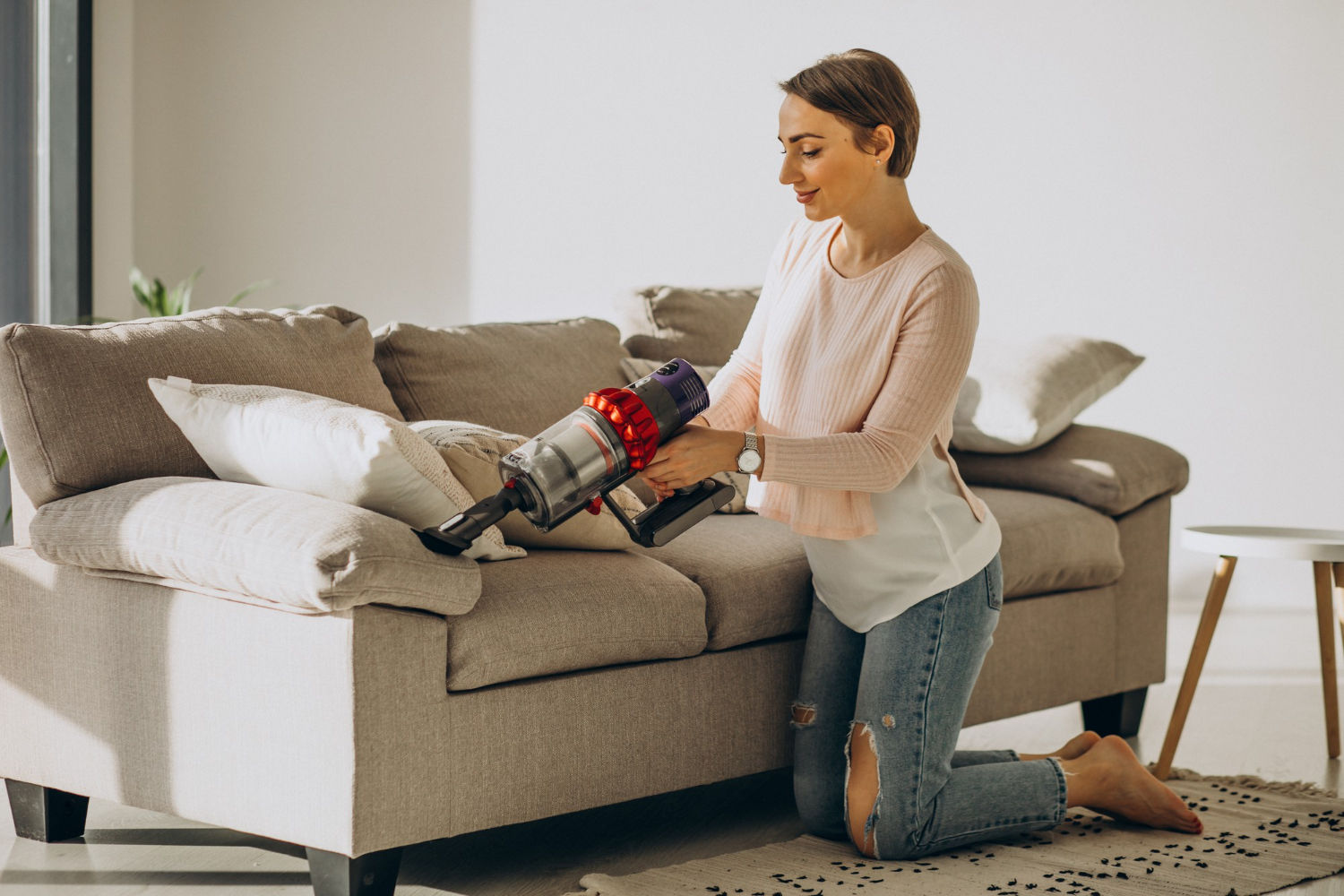
Start by removing dust, crumbs, and loose debris from the sofa. Use a clean microfiber cloth to gently wipe the surface.
For narrow spaces, a vacuum cleaner with a soft brush attachment can help remove hidden dirt.
Pay attention to these areas:
- Between cushions and underneath removable seats.
- Around armrests and backrests.
- Along stitching and seams.
- Beneath the sofa cushions.
- Around corners where dust collects.
Avoid stiff brushes and rough cleaning materials because they can scratch delicate leather surfaces.
3. Choose a Suitable Leather Cleaning Product
Selecting the right product is essential when maintaining leather furniture. A specialised leather cleaner is generally a safer choice than ordinary household detergents.
Before applying any cleaning solution:
- Read the product instructions carefully.
- Check whether it is suitable for your leather finish.
- Avoid mixing different cleaning chemicals.
- Test the product on a small, hidden area.
- Follow the recommended application instructions.
Never use bleach, ammonia, strong detergents, or harsh solvents unless specifically approved by the manufacturer.
4. Gently Wipe the Leather Surface
After selecting a suitable product, apply a small amount to a clean microfiber cloth if the product instructions recommend this method.
Gently wipe the leather using small circular movements. Work on one section at a time to ensure consistent cleaning.
Follow these precautions:
- Avoid soaking the material.
- Do not scrub stains aggressively.
- Use a clean part of the cloth when necessary.
- Apply only the recommended amount of cleaner.
- Avoid leaving cleaning products on the surface longer than instructed.
This gentle process helps remove everyday dirt while protecting the leather’s finish.
5. Remove Any Cleaning Residue
Some cleaning products require a second wipe to remove residue. If the manufacturer’s instructions recommend it, use a separate cloth lightly dampened with clean water.
Avoid using excessive moisture because leather can absorb water and develop marks.
Make sure the surface is free from unwanted cleaning residue before allowing it to dry.
6. Allow the Couch to Dry Naturally
After cleaning, allow the furniture to dry naturally in a well-ventilated room.
Avoid using hairdryers, heaters, or direct sunlight to speed up the process. Excessive heat can make leather dry, stiff, and more vulnerable to cracking.
Keep the cushions in a position that allows air to circulate around the cleaned areas.
How to Remove Common Stains From Leather Furniture
Different stains require different cleaning approaches. Treating spills quickly can help reduce the chances of permanent marks.
Removing Food and Beverage Stains
Food and drink spills should be addressed as soon as possible.
Use a clean, dry microfiber cloth to gently blot the affected area. Avoid rubbing because this can spread the stain or push it deeper into the material.
If a mark remains, use an appropriate leather-safe cleaning product according to its instructions.
Removing Ink Marks From Leather
Ink stains can be difficult to remove, especially from untreated leather.
Avoid applying nail polish remover, alcohol, or strong solvents without professional guidance. These products may strip the protective coating or cause colour changes.
For stubborn ink marks, consult a leather cleaning specialist.
Cleaning Grease and Oil Stains
Grease and oil can leave visible marks on leather furniture.
Gently blot excess oil with a clean absorbent cloth. Do not rub the affected area or apply excessive water.
If the stain remains, use a product specifically approved for the leather type or seek professional assistance.
Removing Water Marks
Water marks may develop when moisture dries unevenly on leather.
Avoid repeatedly wetting the area. Instead, follow the manufacturer’s recommended cleaning instructions. Delicate finishes may require specialist treatment to prevent further discolouration.
How to Condition a Leather Couch After Cleaning
Cleaning removes dirt, but conditioning helps maintain the material’s softness and flexibility. A suitable conditioner can reduce dryness and support the leather’s natural appearance.
Choose the Right Leather Conditioner
Select a conditioner designed for your particular leather finish. Not every product is suitable for all leather types.
Check the manufacturer’s recommendations and avoid conditioners containing unsuitable oils or harsh solvents.
Apply the Conditioner Correctly
Follow these steps for a gentle application:
- Make sure the sofa is clean and completely dry.
- Apply a small amount of conditioner to a soft cloth.
- Spread it gently across the recommended areas.
- Avoid applying too much product.
- Allow it to absorb according to the instructions.
- Buff the surface lightly if recommended by the manufacturer.
The frequency of conditioning depends on the leather type, indoor conditions, and manufacturer’s guidance.
Follow a Maryland Home Care Checklist for Better Furniture Maintenance
Following a Maryland home care checklist can help homeowners maintain clean furniture and protect household surfaces throughout the year. Along with conditioning leather furniture, regular home maintenance keeps living spaces comfortable and organised.
Here are some useful home care tips:
- Clean leather furniture: Remove dust regularly and treat spills using suitable leather-safe products.
- Maintain carpets and rugs: Vacuum frequently to prevent dirt and debris from accumulating.
- Clean kitchen surfaces: Wipe countertops, cabinets, and appliances to maintain everyday hygiene.
- Maintain bathrooms: Clean sinks, showers, and bathroom fixtures regularly.
- Inspect upholstery: Check sofas and chairs for stains, dust, and signs of wear.
- Follow a cleaning schedule: Include weekly dusting, vacuuming, and monthly deep cleaning tasks.
These simple maintenance practices help protect furniture, improve indoor cleanliness, and maintain a welcoming home environment.
How to Condition a Leather Couch After Cleaning
Cleaning removes dirt, but conditioning helps maintain the material’s softness and flexibility. A suitable conditioner can reduce dryness and support the leather’s natural appearance.
Choose the Right Leather Conditioner
Select a conditioner designed for your particular leather finish. Not every product is suitable for all leather types.
Check the manufacturer’s recommendations and avoid conditioners containing unsuitable oils or harsh solvents.
Apply the Conditioner Correctly
Follow these steps for a gentle application:
- Make sure the sofa is clean and completely dry.
- Apply a small amount of conditioner to a soft cloth.
- Spread it gently across the recommended areas.
- Avoid applying too much product.
- Allow it to absorb according to the instructions.
- Buff the surface lightly if recommended by the manufacturer.
The frequency of conditioning depends on the leather type, indoor conditions, and manufacturer’s guidance.
Common Mistakes to Avoid When Cleaning Leather Furniture
Using incorrect cleaning techniques can cause unnecessary damage. Understanding what to avoid is just as important as knowing the correct cleaning process.
Using Harsh Cleaning Chemicals
Bleach, ammonia, alcohol-based products, and strong detergents can affect the leather’s finish. Always select suitable products designed for leather furniture.
Applying Too Much Water
Excessive moisture may cause water marks, stiffness, and discolouration. Use a lightly dampened cloth rather than soaking the surface.
Scrubbing Stains Too Hard
Aggressive scrubbing can scratch leather and spread stains. Gentle blotting and wiping are safer alternatives.
Ignoring Manufacturer Instructions
Different finishes require different care methods. Always check the manufacturer’s recommendations before using a cleaning product.
Exposing the Sofa to Direct Sunlight
Prolonged sunlight exposure can cause fading and dryness. Position the couch away from windows receiving intense direct sunlight whenever possible.
How to Keep Your Leather Couch Clean for Longer
Regular maintenance can reduce dirt buildup and help preserve the appearance of your furniture.
Here are some practical maintenance tips:
- Dust the sofa weekly with a soft microfiber cloth.
- Clean spills immediately using gentle blotting.
- Vacuum between cushions regularly.
- Keep sharp objects away from the leather surface.
- Avoid placing furniture near heaters.
- Use suitable leather protection products when recommended.
- Follow a consistent cleaning and conditioning routine.
- Keep pets’ claws away from delicate leather surfaces.
A clean home also requires attention to other surfaces. For example, carpet cleaning services can help remove accumulated dirt from floor coverings, while suitable landscape services md can support the appearance of outdoor areas.
When Should You Hire Professional Cleaning Specialists?
Routine maintenance is usually manageable at home. However, certain stains and material problems require professional attention.
Consider professional assistance when:
- Your couch has deep or stubborn stains.
- The leather has started peeling or cracking.
- There are noticeable colour changes.
- Ink or oil has penetrated the material.
- Your sofa has a delicate or expensive leather finish.
- You are uncertain about the correct cleaning method.
Experienced cleaning specialists understand different materials and can recommend appropriate treatments.
Depending on your requirements, cleaning services may also include premium deep cleaning services for other areas of your property.
Residential cleaning experts can help maintain living spaces, while move-in & move-out cleaning services are useful when preparing a property for new occupants. Businesses can also benefit from office & commercial cleaning services to maintain clean and welcoming work environments.
Choosing the right service depends on your property’s condition, cleaning requirements, and the type of surfaces that need attention.
Conclusion
Maintaining a leather couch requires regular care, suitable cleaning products, and gentle techniques. Removing dust, treating stains carefully, avoiding excessive moisture, and conditioning the material when recommended can help preserve its appearance and durability. Understanding how to clean leather couch surfaces correctly also reduces the risk of scratches, fading, and unnecessary wear. If you need reliable assistance with maintaining a clean and comfortable property, Contact us Five Star Home Services today to discuss your cleaning requirements and discover professional solutions for your home or business.
Frequently Asked Questions (FAQs)
1. What is the safest way to clean a leather couch?
The safest approach is to remove loose dust with a microfiber cloth and use a cleaning product specifically formulated for your leather type. Avoid harsh chemicals, abrasive materials, and excessive moisture.
2. Can I use regular soap and water on a leather sofa?
Regular soap is not always suitable because its ingredients may affect the leather’s protective finish. Use a manufacturer-approved cleaning product and follow its application instructions.
3. How often should I clean my leather couch?
Light dusting can be performed weekly. Deeper cleaning should be done when necessary, depending on usage, visible dirt, and the manufacturer’s recommendations.
4. Can water damage leather furniture?
Yes. Excessive water can cause discolouration, stiffness, and water marks, especially on delicate or unfinished leather. Always use minimal moisture when cleaning.
5. Should I condition my leather couch after cleaning?
Conditioning can help maintain softness and reduce dryness. Apply a suitable leather conditioner after cleaning and drying the surface, following the manufacturer’s instructions.